
To realize the promise of equity, every policy and investment must provide significant, sustained support to the people hurting most; and serve as a bridge to creating an equitable economy, an inclusive and compassionate society, and a strong, accountable democracy.



Creating Housing Futures Together

Radical Homecoming: Reclaiming Spaces, Identities, and Futures
In the News:



Our Work
Through the approach of Lifting Up What Works, our programmatic initiatives are organized within three interlocking, mutually reinforcing areas of work. Through these initiatives, we advance policies to enable everyone to participate in an equitable economy, live in a community of opportunity, and thrive in a just society.


Equity in Partnerships
The first line in the Equity Manifesto states, "It begins by joining together, believing in the potency of inclusion, and building from a common bond." We invite you to use the the data, research, and resources highlighted across our various websites — done in partnership with a myriad of stakeholders — to build an equitable economy, healthy communities of opportunity, and a just society.
National Equity Atlas
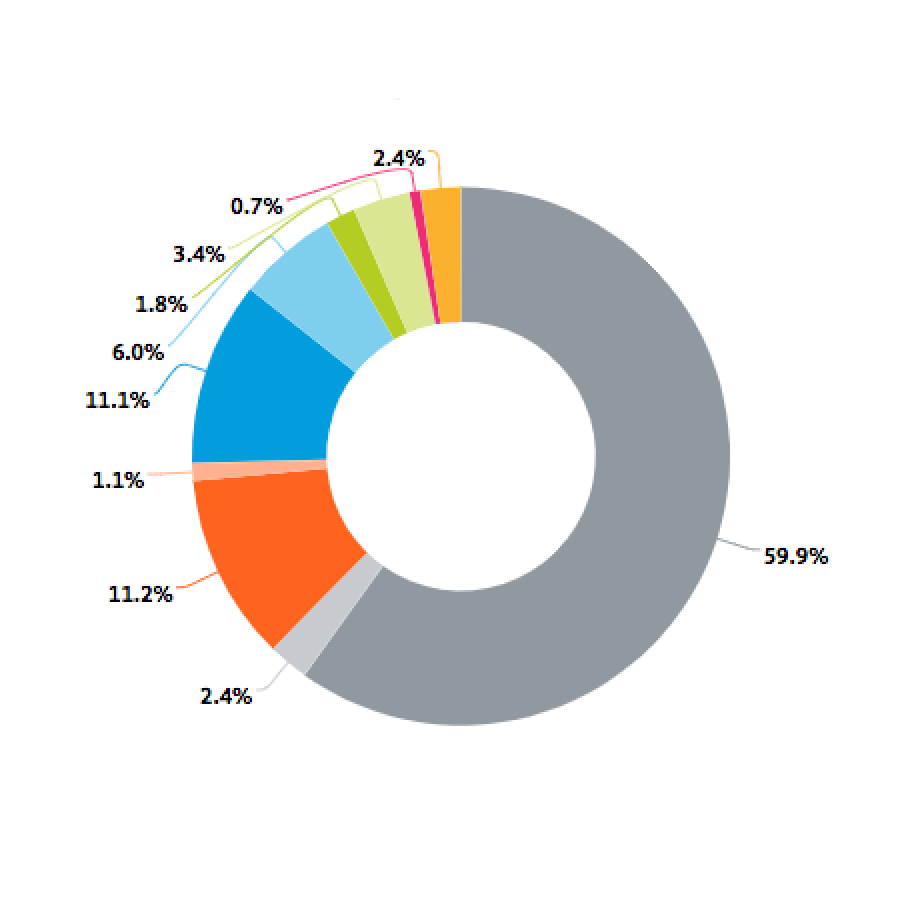
Bay Area Equity Atlas

Corporate Racial Equity Alliance


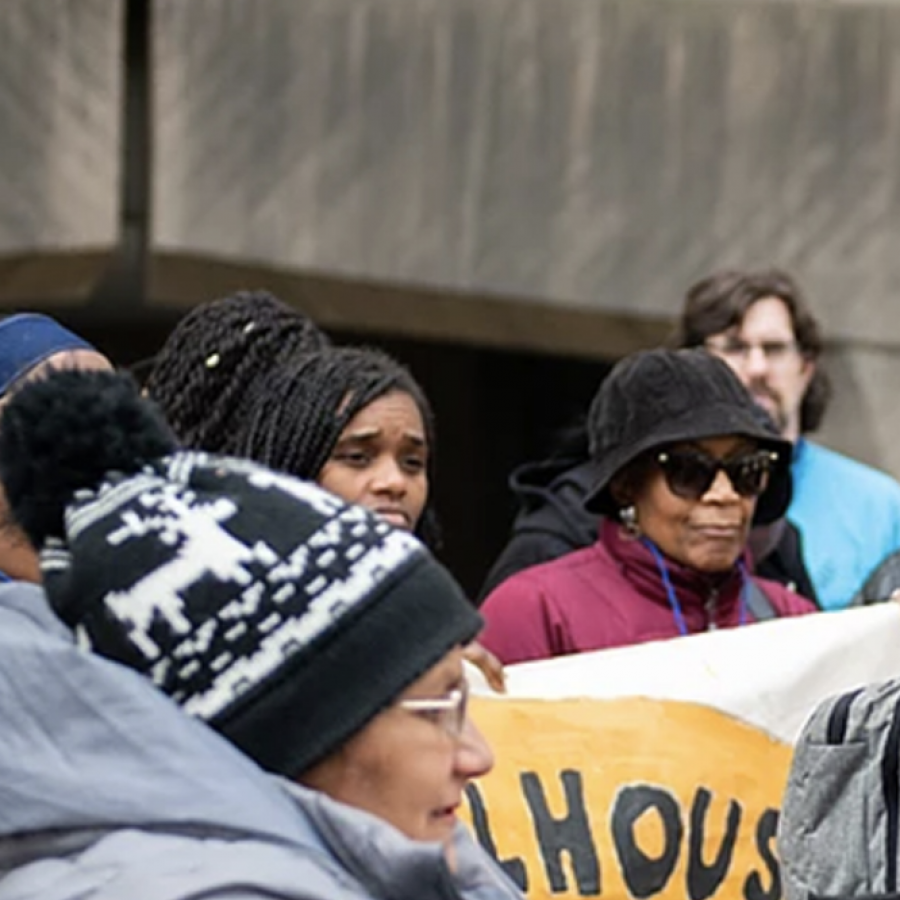
Transportation Equity Caucus

Radical Imagination, Listen Now