Create the Right Mix of Uses and Build Ridership and Demand. TOD projects are most successful when certain amenities—clusters of businesses or strong institutions like schools, hospitals, or community-based organizations— draw visitors and residents and increase ridership along the transit line. Determining the complementary mix of businesses and institutions is an important community planning process and involves cooperation from many levels, including community residents, merchants, institutions, and transit authorities. Public education about the value of TOD is also critical. In Boston’s Jamaica Plain neighborhood, a proposed supermarket near a transit stop faced significant opposition from the area’s mostly Latino small and mid-sized grocery store owners. However, with community planning and cooperation, the merchants were able to work with the supermarket to offer niche products to the Latino market, complementing rather than competing with the existing stores.
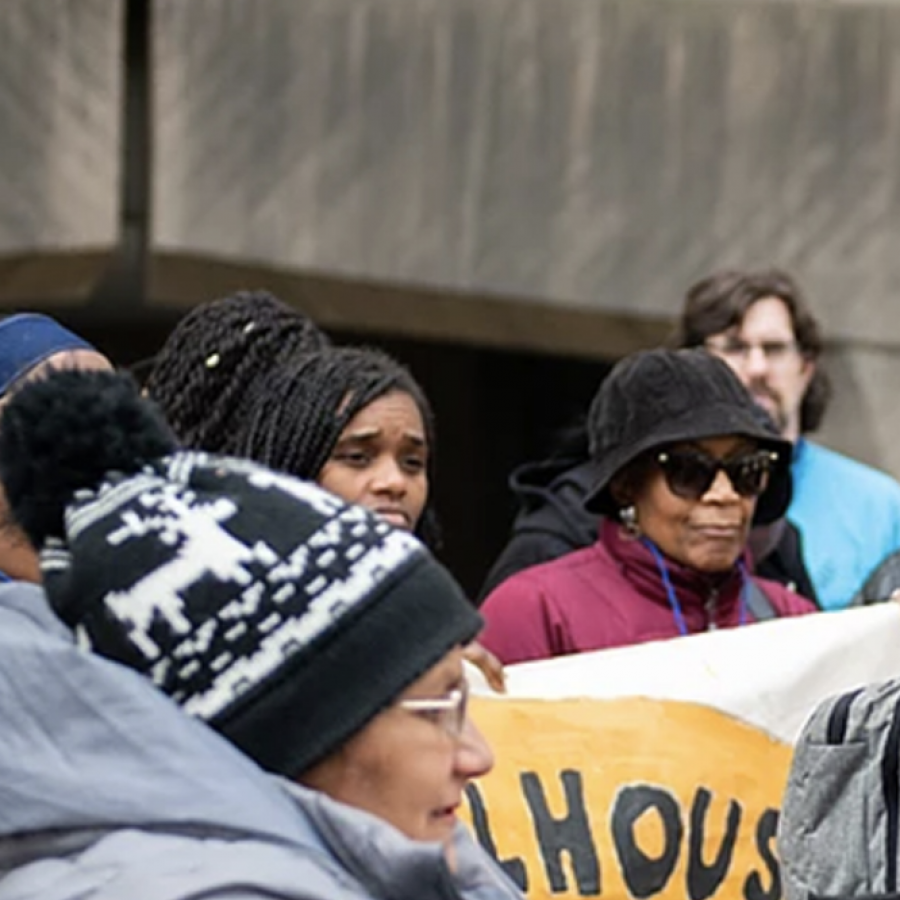
Organize Residents for Meaningful Community Involvement. As with any redevelopment project, resident involvement will be effective only if it begins before key decisions have already been made—and continues throughout the process. It is also important to recognize that different neighborhoods and different constituencies may have different needs. In the Visitacion Valley neighborhood in the San Francisco Bay Area, for example, homeowners near a transit stop were concerned about useful retail and cleanup of a potentially toxic site, while local jobs were the priority of residents of a nearby housing project.
Develop Clear Ambitions—but Set Realistic Goals. The possibilities and vision for a development must take into account the reality that TOD requires a broad range of partners, a complex approval process, multiple funding sources—and perhaps some compromises. Equitable TOD goals should be clear and community-focused, but also practical.
Be There at Every Stage. It is absolutely essential, says Alan Hipólito, formerly of Hacienda CDC in Portland, for community advocates to get involved early and stay involved throughout the TOD process. This requires considerable commitment, as TOD projects can take up to 10 years to come to fruition. Well-crafted goals do not automatically translate to implementation. Community groups and local residents must be vigilant in following through on details and evaluating each step of the development process to ensure community benefits.
Introduce Anti-Displacement Early. Gentrification is harder to manage—and displacement harder to prevent—once land prices have already risen and housing costs soared. Fortunately, TOD often has a long timeline, which makes a market increase somewhat easier to predict. In order to take full advantage of this lead time, a TOD plan must take early action—securing land for affordable housing before price increases, preserving subsidized housing before its owners see an incentive to privatize—to prevent resident displacement. Effective anti-displacement measures will help create and preserve a diverse, mixed-income transit village.

Focus on People and Function, Not Formulas. Since each TOD (and surrounding community) is unique, a project should measure success according to its own clear goals—not impersonal formulas for density or distance. The report Transit Oriented Development: Moving From Rhetoric to Reality, from the Brookings Institution and Reconnecting America (formerly the Great American Station Foundation), cautions that TODs can fail if they focus on the physical instead of the functional aspects of the development. The authors argue that TOD should be considered more “people-oriented” than “transit oriented” development, and offer six performance criteria to evaluate project functions and outcomes:
Get the Density Right. Higher density that encourages pedestrian travel and effective transit use is a key component of TOD. At the same time, cautions Jeff Rader of the Atlanta Homebuilders Association, TOD can fall prey to “dysfunctional density,” where zoning permits such high density that land prices skyrocket until it becomes too expensive for anything but high-end offices or large-scale shopping centers that require more customers than the transit line can provide. Density should be a means to create vibrant, equitable development—not pursued for its own sake.
|
|
|
|
|
|